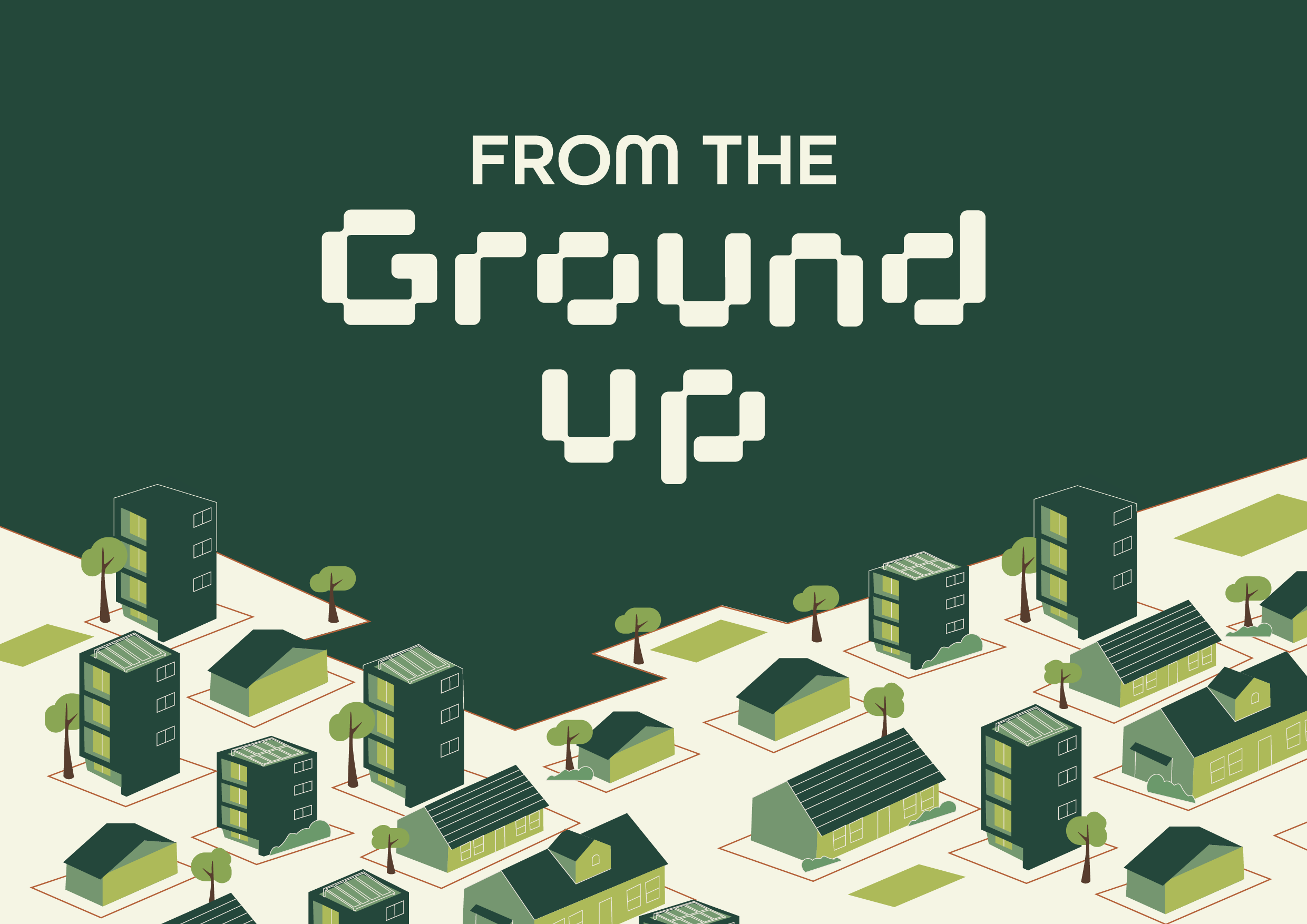
From The Ground Up
Overview
For many young adults in Aotearoa, buying a home and living comfortably feels increasingly out of reach. Housing stress has become a shared experience, whether through rising rental costs, poor living conditions, unstable flatting situations, or the growing impossibility of owning a future home.
Young Aucklanders are facing housing stress, relocation, exploitative rentals, and unstable living arrangements. They are surviving rather than thriving, searching for stability, connection, and belonging within systems that often prioritise survival over wellbeing.
RESEARCH
Throughout our research process, we conducted a survey to better understand rangatahi perspectives on housing and their personal experiences.
We found that 81% of respondents currently live with family rather than flatting, renting, or living in shared housing.
Additionally, 57% stated they either do not know where to start or feel they cannot make a difference alone, while 80% identified affordable and safe housing as their biggest concern for the future.
APPROACH
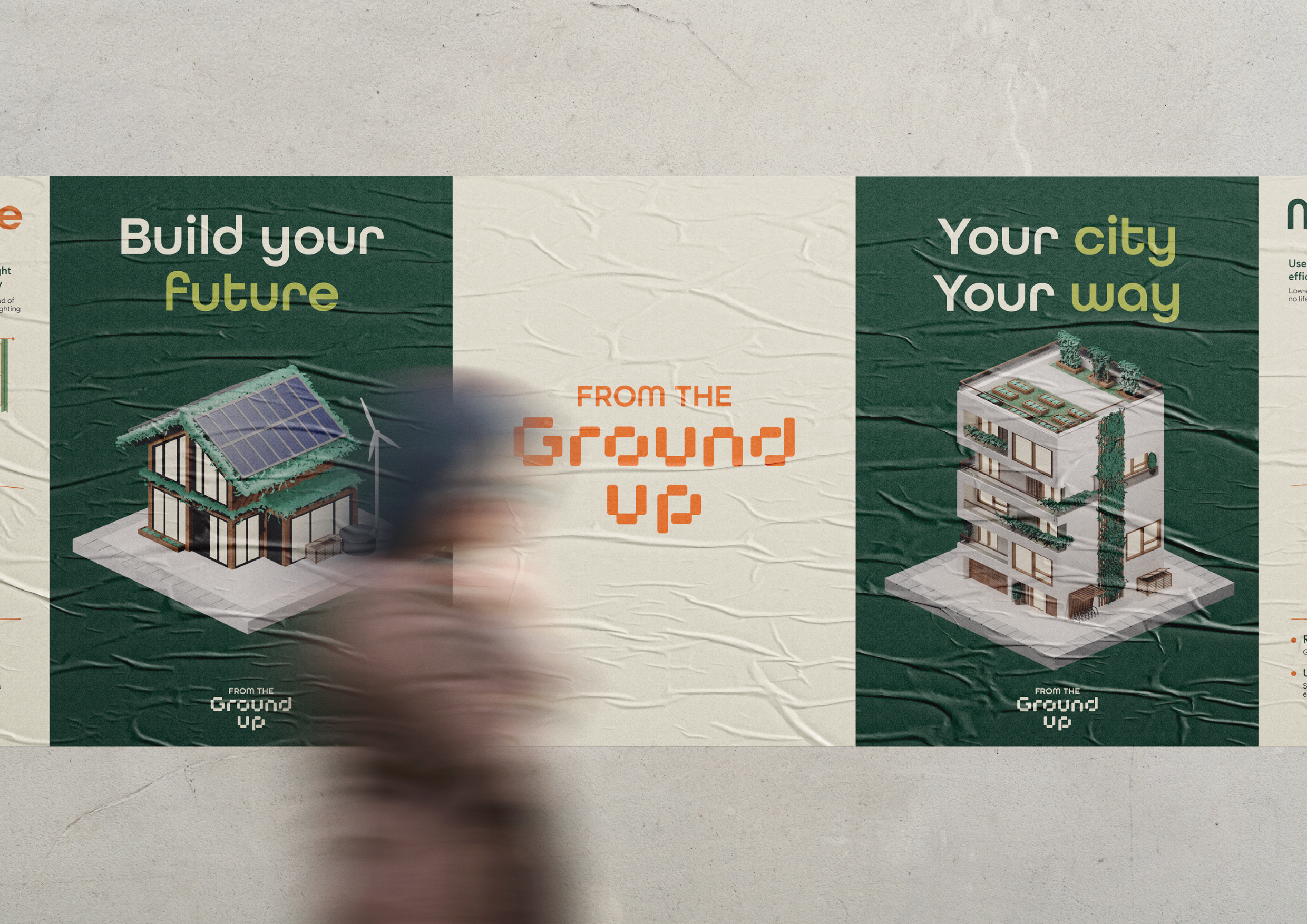
In response to these findings, we developed our brand from the ground up with the purpose of inspiring and empowering communities to imagine and shape their own sustainable futures.
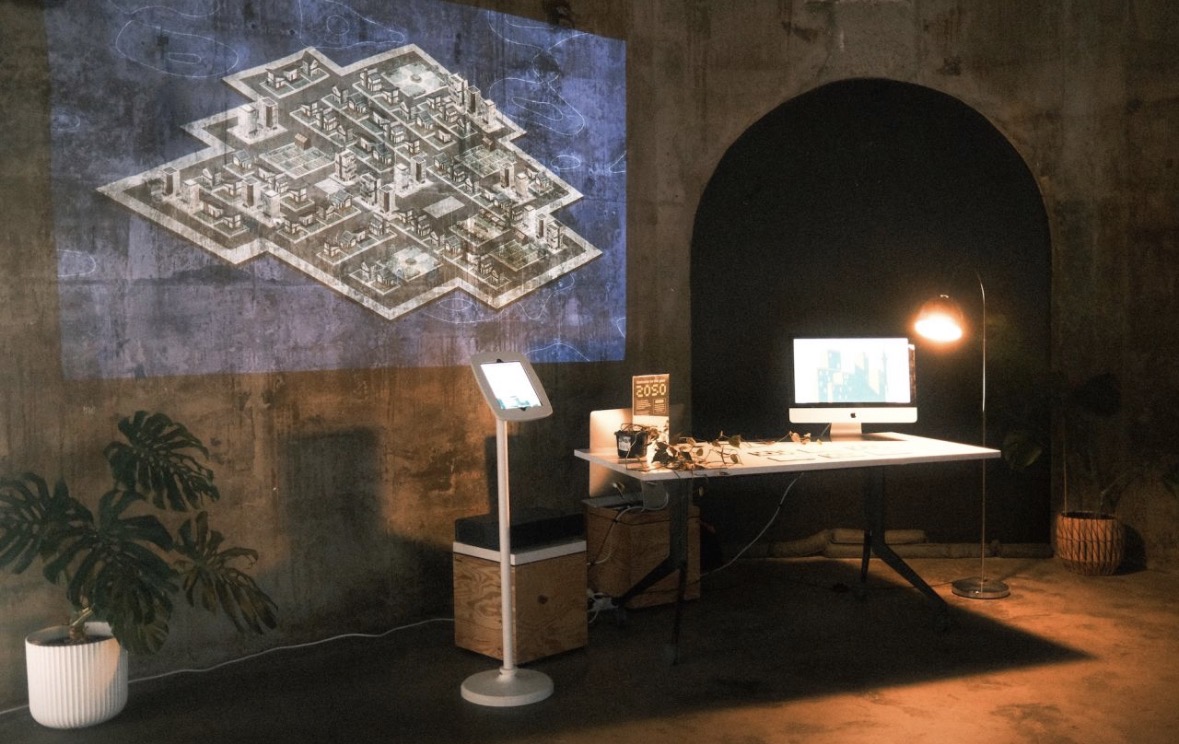
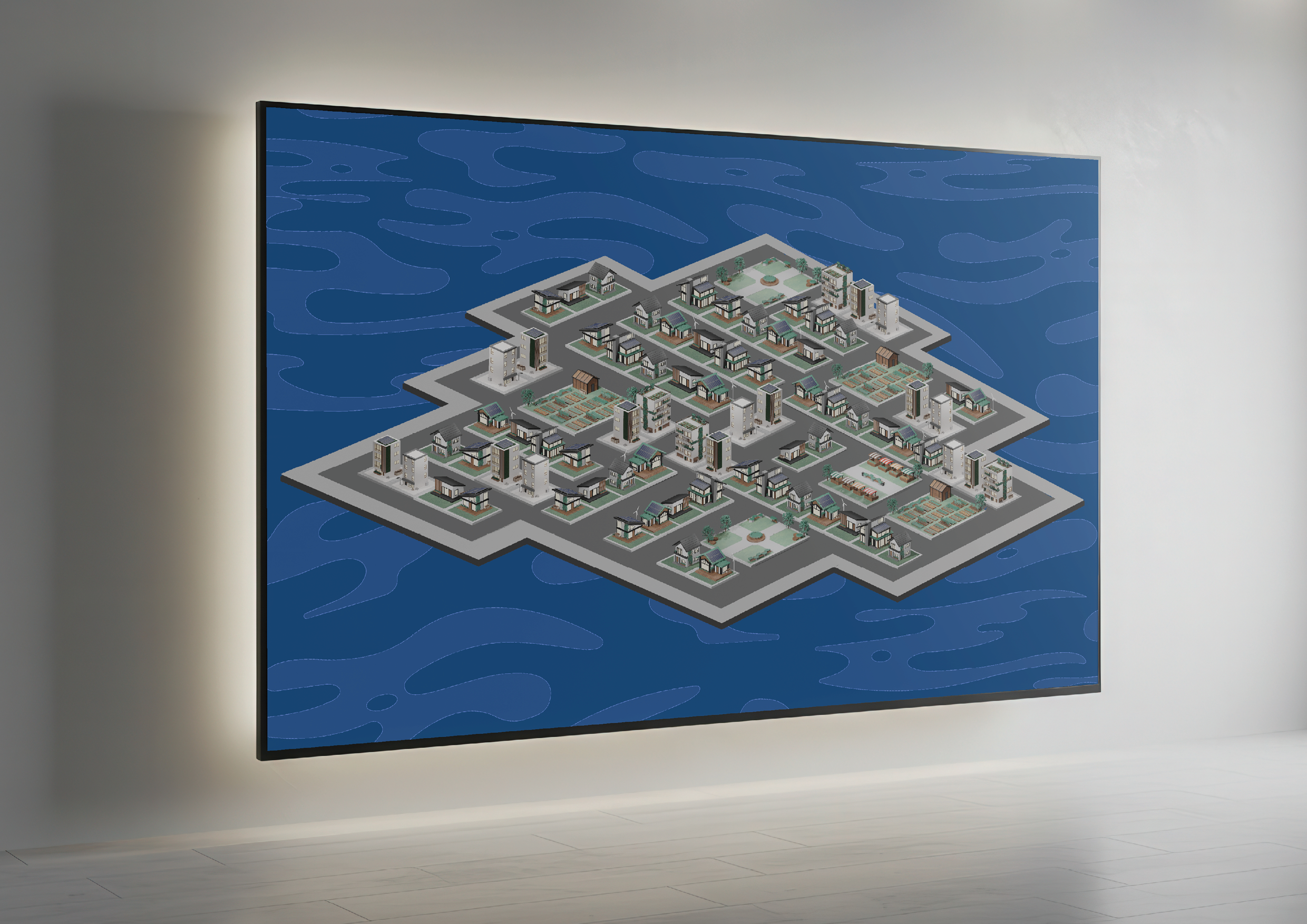
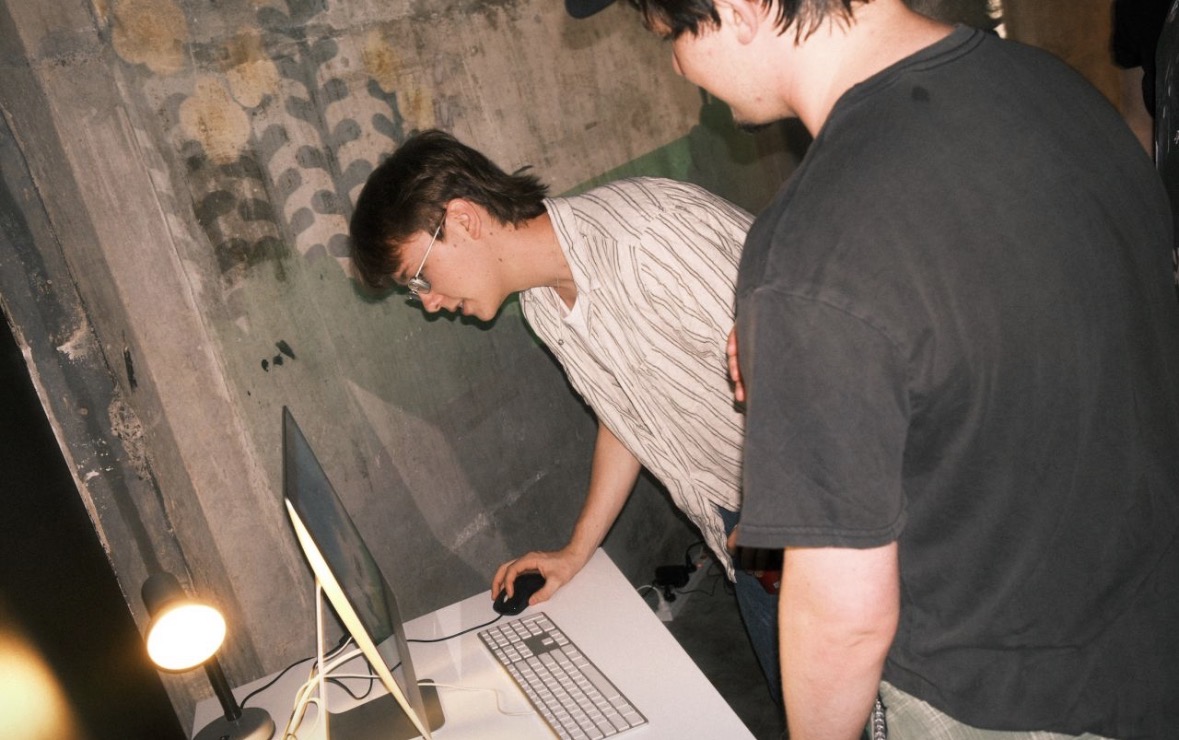
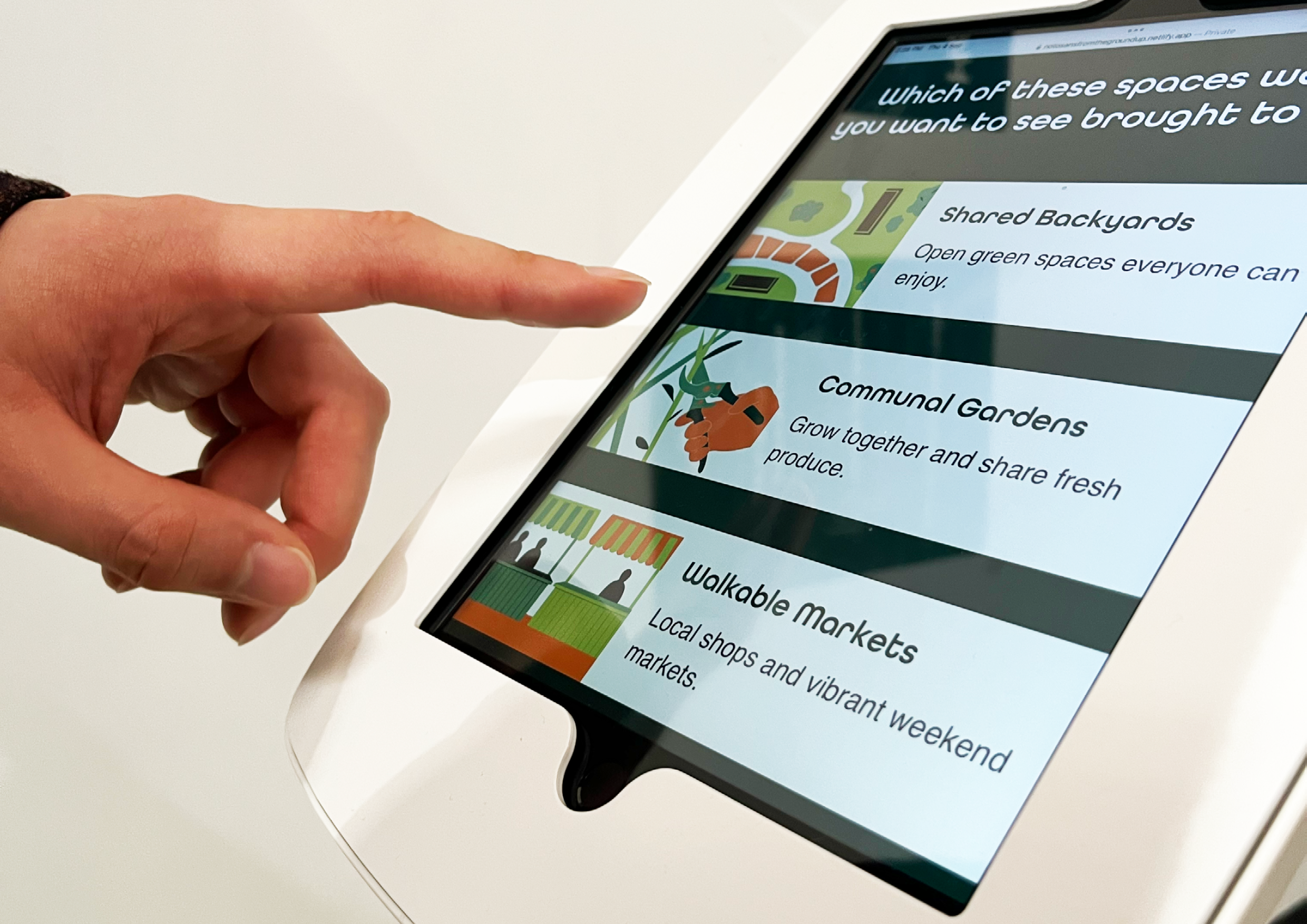
We created an interactive experience that allows people to visualise their future housing environments, explore sustainable urban living, and see how collective contributions can create meaningful impact over time.
Creative
Throughout the design process, we used a nature-inspired colour palette to reinforce themes of sustainability and growth.
Deep and bright greens represent forests, native landscapes, and new plant growth, while softer greens evoke grass and open natural spaces. Earthy browns reference soil and stability, grounding the brand in ideas of connection and regeneration. Warm oranges symbolise sunlight, energy, and optimism, while soft off-whites reflect clouds and open skies, creating a light and welcoming feel.
IMPACT
Our project encouraged people of all generations to reflect on their everyday sustainability choices within their homes, their ideal vision of sustainable living, and their current level of sustainability awareness.
It also prompted audiences to consider the future of sustainable housing and cities, and the role individuals play in shaping that future.